Acasă la Hundorf Association is Partner in a Creative Europe Project for the Revitalisation of Rural Areas
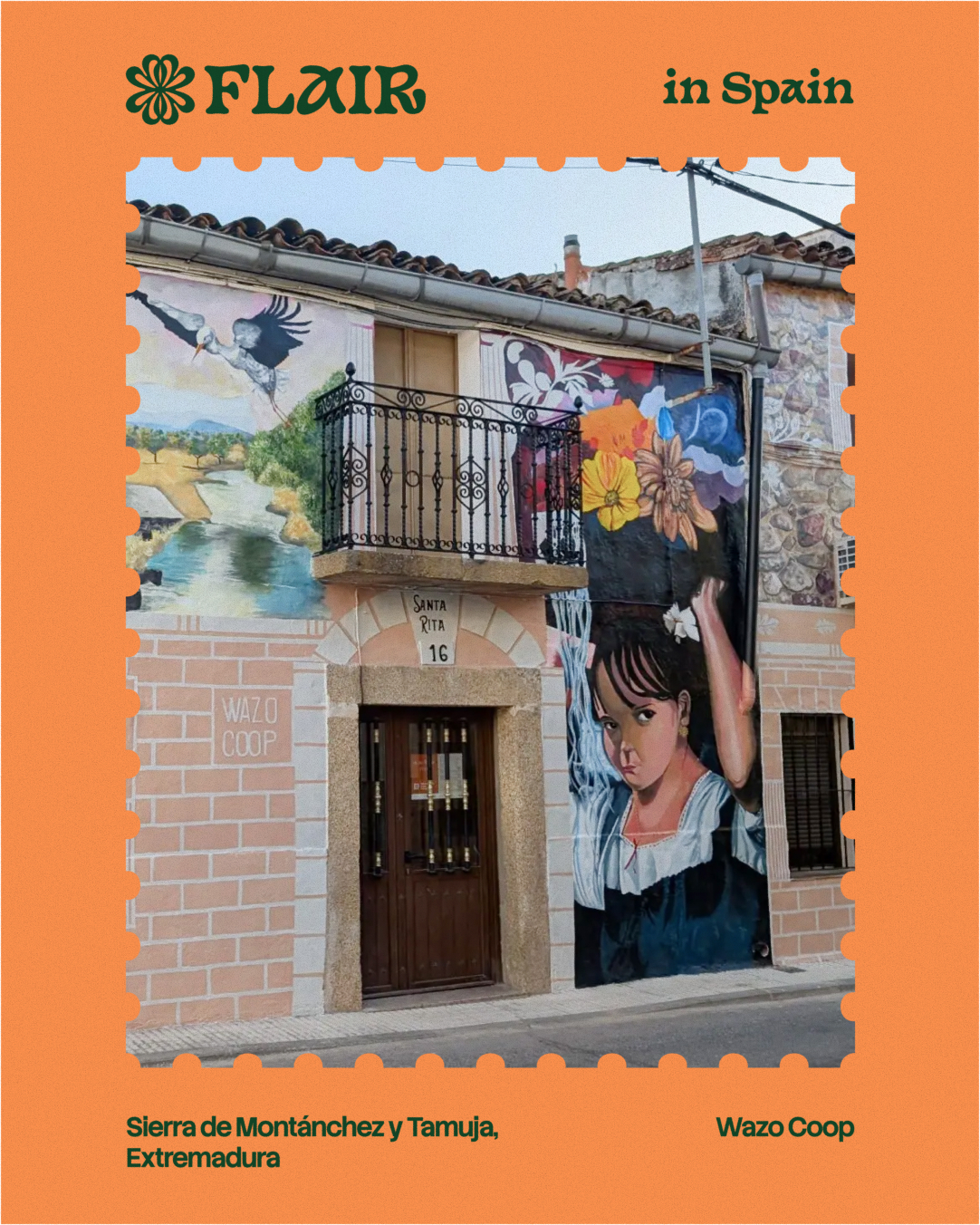
Acasă la Hundorf Association is a partner in the FLAIR – Flourishing Art in Rural Areas project, together with WAZO Sociedad Cooperativa (Spain) and LAMA Società Cooperativa – Impresa Sociale (Italy), the project's lead partner. The project is funded through the Creative Europe Programme.
What is FLAIR?
FLAIR is a two-year project that explores how artistic practice, cultural participation, and community engagement can contribute to improving the well-being of young people living in rural areas across different European countries.
The project is implemented simultaneously in three rural territories:
- Montagna Fiorentina, Italy
- Sierra de Montánchez y Tamuja, Spain
- Viișoara, Romania
Throughout the two years, FLAIR will organise research residencies and artistic residencies aimed at reflecting on what rural space means today, using these three pilot territories as case studies.
Rather than bringing culture into rural areas as an external intervention, FLAIR recognises rural communities as places of knowledge, creativity, and innovation. Through artistic research, community dialogue, and long-term collaboration, the project seeks to strengthen social cohesion, create opportunities for young people, and support disadvantaged rural communities in becoming more sustainable and better prepared for future challenges.
Strong rural communities are those in which young people choose to stay and shape their own future. For that to happen, however, communities must be listened to, understood, and supported.
FLAIR is a project that invites local people to share their opinions, aspirations, and needs. It encourages them to take part in shaping a possible future for their community, while also recognising that this future requires commitment, perseverance, generosity, and mutual respect.
The Challenges Facing Rural Communities
Like many rural communities, Viișoara (Mureș County) faces complex demographic, economic, and cultural changes. Young people increasingly find themselves caught between preserving local identities and adapting to global realities such as migration, education, digital technologies, and changes in the labour market.
Until relatively recently, rural Romania could still be seen as a place that preserved something of the fabric of an authentic way of life and values that should form the foundation of every education. Today, however, rural communities face serious challenges that many people struggle to cope with, doing the best they can under increasingly difficult circumstances.
Acasă la Hundorf's Vision
The Association is deeply committed to rural areas because this is where all of its programmes take place, and because rural Hundorf is our home.
We draw on ten years of experience through the ȘAH / Școala de Acasă, Hundorf residency programme, in which young artists living and working in the village have helped transform the local community into an active partner in dialogue and artistic collaboration.
We also run The Children's Palace in the Countryside (Palatul Copiilor de la Țară), a programme through which we organise workshops with children and teenagers from surrounding villages, allowing us to better understand the realities and challenges of rural life from within.
Through our Community Cultural Centre, we provide spaces for activities involving children, young people, and local residents. At the same time, we work across several villages in the Târnava Mare area because we believe rural communities deserve every effort and every opportunity to reveal and activate the rich potential they already possess.
One of the Association's key objectives is therefore to initiate and develop a network for dialogue and action focused on rural areas, bringing together community members, local and regional authorities, active initiatives, and researchers in order to build a shared voice for rural communities.
Within this context, FLAIR can make an important contribution to supporting and developing this vision.
Hundorf: A Place in a Region of Outstanding Potential
HUNDORF / VIIȘOARA, MUREȘ COUNTY
German: Hondorf ("the village of dogs")
According to local legend, Empress Maria Theresa trained her hunting dogs here when the village, then inhabited by serfs, formed part of the royal estate administered from present-day Dumbrăveni (German: Elisabethstadt; Hungarian: Ebesfalva).
Another legend tells that the stone used to build the castle at Dumbrăveni was transported from the hill now known as La Cetate ("The Fortress") by a human chain, with each person passing the stones from hand to hand.
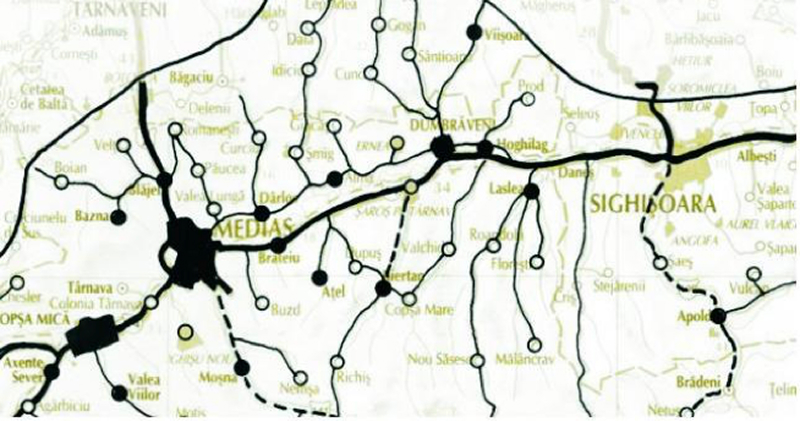
The village was first documented in 1367. It lies between Sighișoara and Mediaș, near the historic Armenian town of Dumbrăveni—approximately 30 km from both Sighișoara and Mediaș, and 10 km from Dumbrăveni. It is also close to some of Transylvania's most valuable heritage sites, including Sighișoara, Mediaș, Biertan, Valea Viilor, Saschiz, and many other Saxon villages with fortified churches.
It is a multi-ethnic, multicultural region with a rich and diverse cultural heritage.
The story of FLAIR is only just beginning.We invite you to follow the project through its official communication channels:
as well as those of Acasă la Hundorf and Palatul Copiilor de la Țară, to discover how art, dialogue, and community collaboration can help shape the future of rural Europe.


Funded by the European Union. Views and opinions expressed are, however, those of the author(s) only and do not necessarily reflect those of the European Union or the European Education and Culture Executive Agency (EACEA). Neither the European Union nor EACEA can be held responsible for them.